What is Croatia e-Invoicing in 2025?
Croatia's 2025 e-Invoicing includes a B2B testing phase starting September 1, using UBL 2.1 and and submissions to FINA e-Račun.
Mandatory B2G e-Invoicing for suppliers to public authorities using UBL 2.1 via FINA e-Racun, with submission through Peppol, EDI, or API integration.
B2B e-Invoicing testing phase begins for VAT-registered businesses.
B2B e-Invoicing mandatory for VAT-registered businesses with UBL 2.1 and Peppol BIS.
Mandatory compliance for non-VAT entities and public bodies.

Extracts invoice data from ERP, POS, or accounting systems.

Converts data into UBL 2.1 and Peppol BIS formats with digital signatures.

Transmits invoices to FINA e-Racun in real-time.

Confirms compliance with Tax Administration's fiscalization system.

Tracks compliance via a centralized dashboard with real-time insights.
Ensures compliance with Croatia's real-time e-Invoicing and reporting mandates.
Fast setup for the 2025 testing phase and 2026 B2B mandate.
Validates UBL 2.1 data to meet Tax Administration standards.
Supports high-volume needs for VAT-registered and public entities.
Handles Croatia's requirements alongside global standards like PEPPOL.


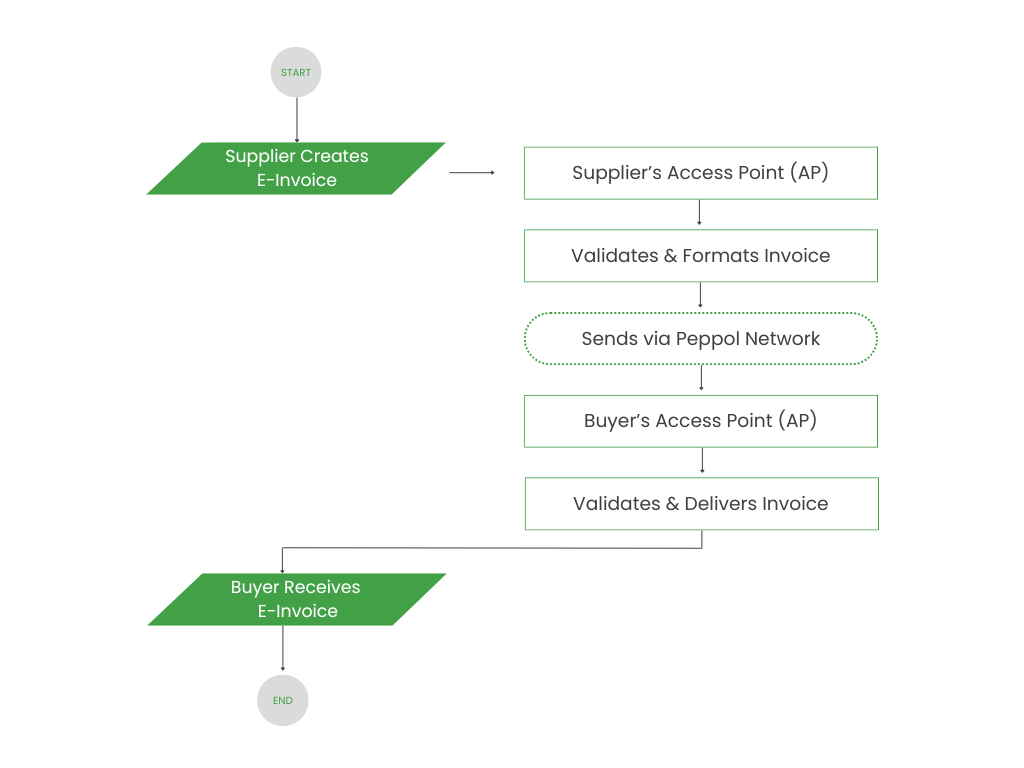
Croatia is stepping into the future of digital taxation with the implementation of Fiscalization 2.0, and one of the key pillars of this transformation is the Peppol Network...
Discover how Taxilla simplifies Fiscalization 2.0 compliance with Peppol integration.
Croatia's 2025 e-Invoicing includes a B2B testing phase starting September 1, using UBL 2.1 and and submissions to FINA e-Račun.
B2B e-Invoicing is mandatory for VAT-registered businesses on January 1, 2026, and for non-VAT entities by January 1, 2027.
Invoices must be submitted in real-time to the Tax Administration using UBL 2.1, Peppol BIS, and digital signatures.
Taxilla automates UBL 2.1 invoice creation, applies digital signatures, and ensures real-time Fiscalization 2.0 compliance.
Yes, Taxilla scales for VAT-registered businesses, public bodies, and high-volume transactions.
Early adoption ensures compliance readiness, streamlines processes, and minimizes disruptions for 2026.